Speaking Engagements, Publications & Media
Speaking Engagements
Co-Chair and Presenter, Refusing the Model Minority: Reclaiming Asian American Trauma from Psychoanalytic Silence. Society for Psychoanalysis and Psychoanalytic Psychology (Division 39) Annual Conference. New York, NY (April, 2026)
Guest Lecturer, A psychoanalytic, sociocultural understanding of skin color and colorism in the therapeutic relationship. William James College, Newton, MA (March, 2026)
Presenter and Panelist, Points of View on Supervision: Complexities in the Supervisory Dyad. Academic Lecture at the Boston Psychoanalytic Society & Institute (BPSI). Newton, MA (February, 2026)
Presenter and Co-Moderator, A psychoanalytic, sociocultural understanding of skin color and colorism in the therapeutic relationship. Boston Psychoanalytic Society & Institute. Newton, MA (September, 2025)
Group Facilitator and Workshop Developer, Actionable strategies for breaking the cycle of intergenerational trauma.South Asian Psychology and Neuroscience Association (SAPNA) Conference, Cambridge, MA (May, 2025)
Presenter and Panelist, A psychoanalytic, sociocultural understanding of skin color and colorism in the therapeutic relationship. American Psychoanalytic Association Annual Conference (APsA), San Francisco, CA (February, 2025)
Discussant, Annual Psychodynamic Psychotherapy Case Conference. Massachusetts General Hospital Center for Psychodynamic Therapy and Research and the Spirit of Compassion for Leadership in Advancing Mental Health, Boston, MA (January, 2025)
Guest Lecturer, A psychodynamic understanding of skin color in the therapeutic relationship with clients of South Asian heritage. William James College, Newton, MA (March, 2024)
Presenter and Group Facilitator, Navigating Parenthood from a Biopsychosocial Perspective. Online Workshop and Question and Answer Session for Parents, Brookline, MA (2022)
Guest Lecturer, Diabetes and Brain-Behavior Relationships. Neuropsychological Assessment Center at MassGeneral Brigham, Salem, MA (2019)
Publications
Gupta, K. R. (2026). Skin tone fantasies, colorism, and the therapeutic relationship. Psychoanalytic Psychology, 43(1), 64–73. https://doi.org/10.1037/pap0000568
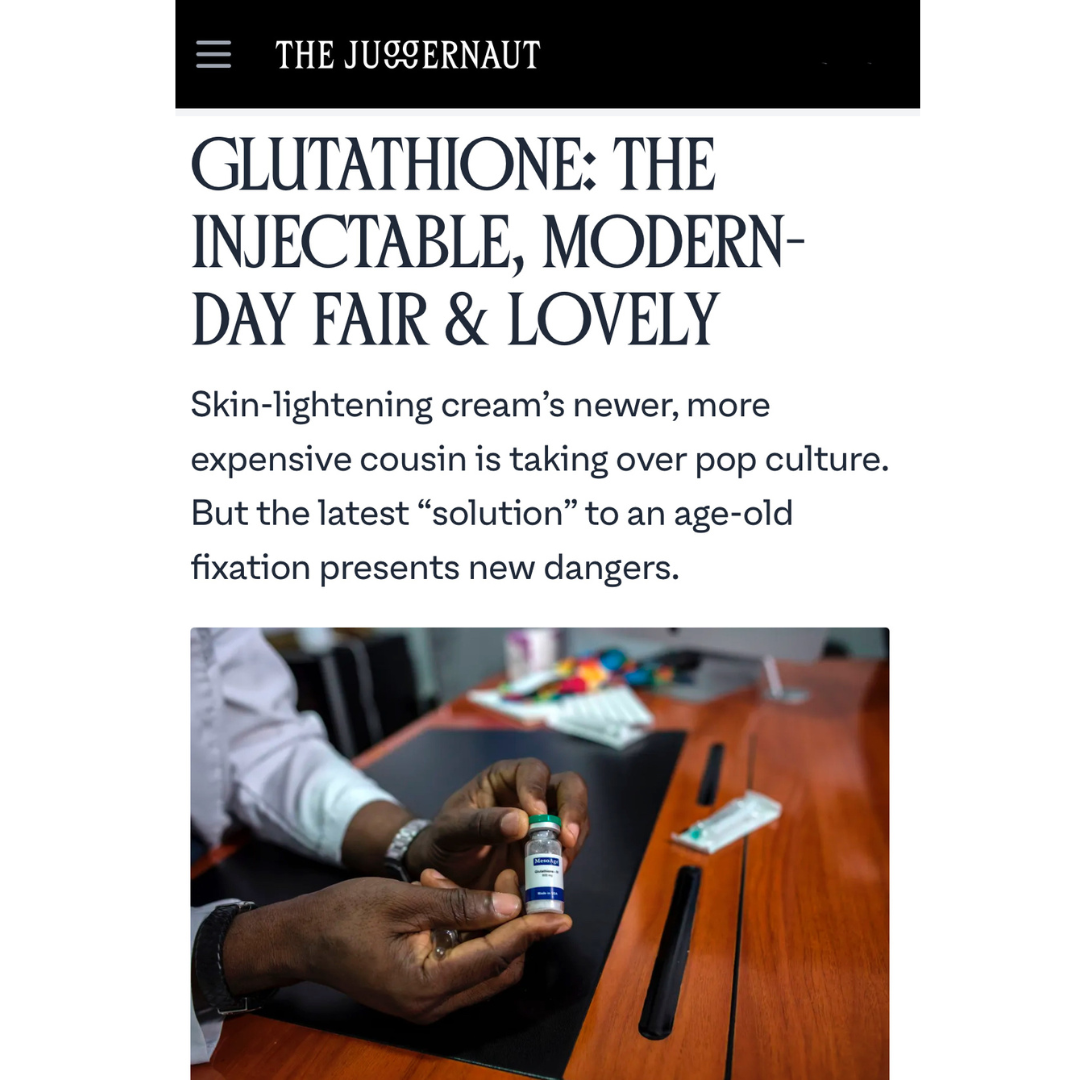
While there has been a notable increase in conversation about race and racism in the psychoanalytic literature, skin tone and colorism have received less attention. For patients who have Indian heritage, lighter and darker skin tones can have multiple meanings in various contexts, including within the family, the Indian ethnic community, the social communities they interact with, and the larger sociopolitical context of the United States in which White and lighter skin is idealized and privileged. Exploring skin tone fantasies in psychotherapy can be a meaningful intervention to address racial and ethnic identity development, intrapsychic conflicts, interpersonal dynamics, and racial and skin tone trauma (Landor & McNeil Smith, 2019; Tummala-Narra, 2007). Skin tone biases and colorism within the Indian diaspora and in the United States are addressed within a historical, sociocultural context. Psychoanalytic ideas are discussed to understand the complex meanings, feeling states, enactments, and defenses that skin tone and colorism can raise for the patient and therapist who have shared Indian heritage.
Gupta, K. R. (2025). Book Review: The Indian Jungle: Psychoanalysis and Non-Western Civilizations. Journal of the American Psychoanalytic Association, 73(6), 889–897. https://doi.org/10.1177/00030651251365608
This review reflects on The Indian Jungle: Psychoanalysis and Non-Western Civilizations and the questions it raises about the cultural limits of psychoanalytic theory. Engaging the book’s exploration of Indian philosophical and cultural contexts, the review considers how psychoanalysis, which developed within Western epistemologies, encounters forms of subjectivity shaped by non-Western historical and symbolic worlds. Gupta invites clinicians to reflect on how our own cultural subjectivity informs what we recognize, interpret, and value in the analytic encounter.
Featured Writing & Interviews